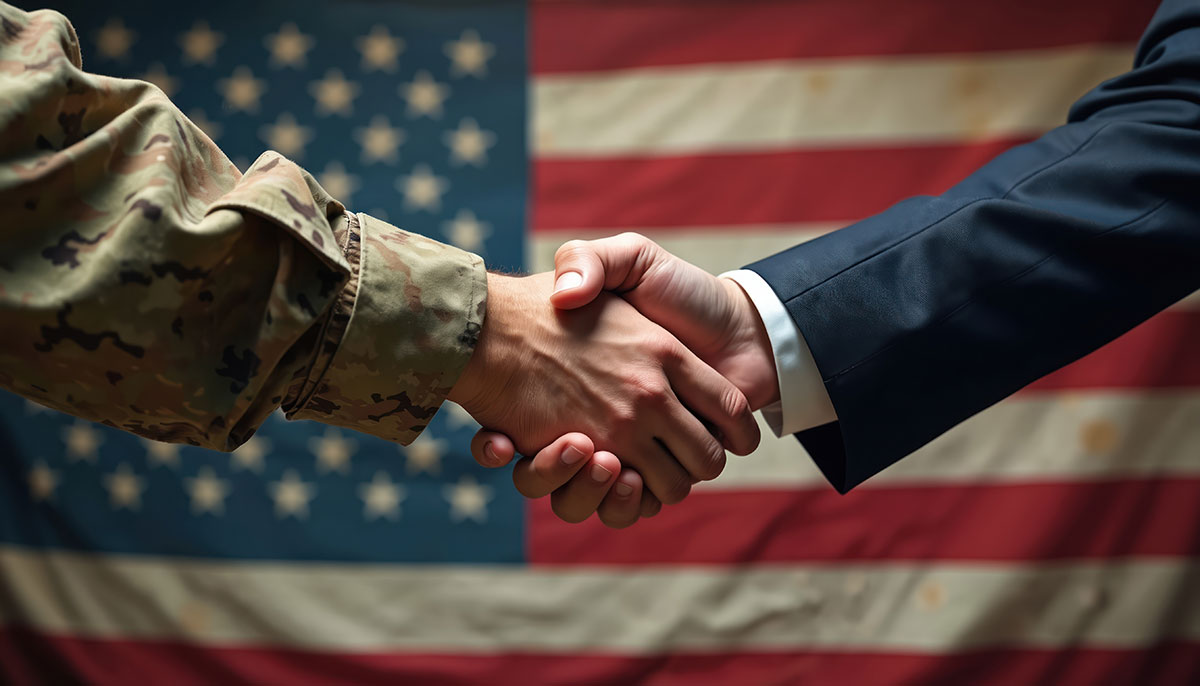
Veterans have a unique set of skills that can make a profound difference in the corporate world. Having served in the Army JAG Corps, I have seen firsthand how military experience builds leadership, discipline, and strategic thinking that translate directly into professional success. The transition from service to civilian life can be challenging, but when veterans apply their skills in corporate settings, they bring value that goes far beyond what is listed on a resume.
Leadership Under Pressure
Military service teaches leadership in some of the most demanding conditions imaginable. Making decisions under pressure, managing diverse teams, and adapting to rapidly changing circumstances are everyday expectations in the armed forces. These experiences prepare veterans to handle complex business situations with confidence and composure.
“In the military, every decision has consequences, and you quickly learn to weigh options, gather input, and act decisively,” I often say. “That experience gives veterans an edge in the corporate world where decisions impact people, projects, and outcomes.”
Leading Teams Effectively
Leading a team in the military requires clear communication, mutual trust, and the ability to inspire performance. These same skills are critical in business environments. Veterans know how to delegate responsibility, motivate individuals, and foster collaboration to achieve results.
“Teamwork is everything in both the military and business,” I explain. “When people trust their leader and each other, they accomplish more than they thought possible.”
Strategic Thinking and Planning
Veterans are trained to think strategically. Military operations involve analyzing complex information, anticipating challenges, and developing actionable plans. These abilities translate directly into corporate strategy, project management, and problem-solving.
“Strategic thinking is about looking beyond the immediate situation,” I say. “Veterans are accustomed to planning for multiple outcomes and adjusting as conditions change, which is invaluable in any organization.”
Problem Solving in Real Time
In both military and corporate settings, problems arise unexpectedly. Veterans are skilled at evaluating the situation, identifying priorities, and taking decisive action. This skill reduces downtime and improves outcomes in fast-paced business environments.
“Problem solving under pressure is a skill that comes from experience,” I explain. “Veterans are trained to assess the situation quickly and make choices that balance risk and reward.”
Discipline and Accountability
Discipline is a hallmark of military service. Veterans are accustomed to following procedures, meeting deadlines, and holding themselves accountable. These habits carry over into the corporate world and create employees who are reliable, detail-oriented, and consistent.
“Discipline is not about rigidity,” I often say. “It is about creating habits that lead to dependable performance and the ability to deliver results under pressure.”
Building Trust and Credibility
Accountability is closely linked to trust. Veterans are trained to take responsibility for their actions and ensure their teams succeed. In business, this translates into employees and leaders who are trusted to handle responsibility and make sound decisions.
“Credibility is earned through consistent action,” I explain. “Veterans bring a level of reliability that strengthens teams and organizations.”
Adaptability and Resilience
Military experience teaches adaptability. Conditions on the battlefield are unpredictable, and service members learn to adjust quickly. This resilience is highly valuable in the corporate world, where market shifts, organizational changes, and unforeseen challenges require flexibility.
“Adaptability is key to long-term success,” I say. “Veterans know how to pivot without losing sight of the mission or objectives.”
Managing Change in Business
Business environments are constantly evolving. Veterans’ experience with change and uncertainty allows them to guide teams through transitions with confidence. They can remain focused, adjust strategies, and help others navigate challenges effectively.
“Veterans have lived through uncertainty and emerged stronger,” I explain. “This experience helps them lead with clarity when organizations face change.”
Mentorship and Leadership Development
Veterans also understand the importance of mentoring and developing others. In the military, leaders are responsible for training, guiding, and supporting their teams. This translates directly to corporate environments, where mentoring employees can strengthen organizational culture and improve performance.
“Developing others is as important as achieving results,” I often say. “Veterans know that investing in people builds stronger teams and creates lasting impact.”
Leveraging Experience for Growth
Veterans can share lessons learned from their service to help teams anticipate challenges, improve processes, and develop skills. Their experience provides perspective and insight that can accelerate growth within an organization.
“Sharing experience helps others see the bigger picture and make informed decisions,” I explain. “Veterans bring wisdom that benefits everyone on the team.”
Conclusion
The skills veterans bring to the corporate world are powerful and versatile. Leadership, strategic thinking, discipline, adaptability, and mentoring are just a few of the qualities that make veterans valuable assets in business environments. By recognizing these skills and providing opportunities for veterans to apply them, organizations can benefit from a unique perspective that drives results and strengthens teams.
“Veterans have served their country with dedication,” I often say. “Bringing that same commitment, discipline, and strategic thinking to the corporate world benefits not just the organization but the individuals and communities they serve.”
Supporting veterans in their career transitions and leveraging their elite skills is not only the right thing to do but also a smart strategy for organizations looking to build resilient, capable, and high-performing teams.