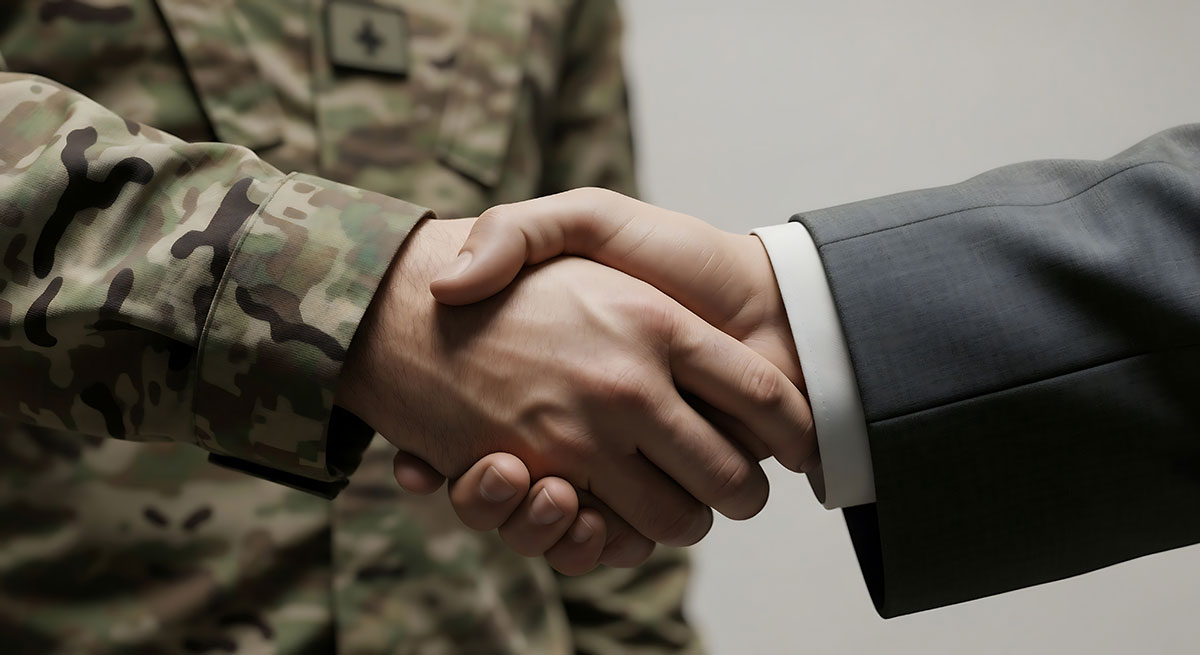
Military service shapes how a person thinks, acts, and leads. From my experience in the Army JAG Corps and later in civilian roles, I have seen how the lessons learned in uniform translate directly into workplace success. Veterans bring a level of discipline, accountability, and focus that helps organizations perform at a higher level. These qualities are not abstract ideas. They are practical skills developed through real experience.
Discipline Builds Consistency
Discipline is one of the first things you learn in the military. It is not just about following orders. It is about building habits that create reliable performance. In the workplace, discipline shows up in preparation, time management, and follow through.
I have found that disciplined professionals are easier to rely on. They meet expectations and often exceed them. They do not need constant direction because they have trained themselves to stay focused and organized. This consistency improves team performance and builds trust over time.
Creating Strong Work Habits
Military training reinforces routines that carry into civilian life. Showing up prepared, staying organized, and maintaining attention to detail are habits that make a difference in any role. These habits reduce errors and improve efficiency.
When these habits are applied consistently, they create a foundation for long term success. Teams perform better when individuals bring this level of reliability to their work.
Leadership Under Pressure
The military teaches leadership in high pressure situations. Decisions often need to be made quickly, with limited information and real consequences. This environment builds confidence and clarity in decision making.
In the workplace, pressure takes a different form but still requires strong leadership. Deadlines, competing priorities, and unexpected challenges demand clear thinking. Veterans are prepared for this because they have already learned how to remain calm and focused.
Making Decisions with Confidence
I learned early on that hesitation can slow progress. In the military, you gather information, assess the situation, and act. That same approach works in business.
Confidence in decision making does not mean taking unnecessary risks. It means evaluating the situation carefully and moving forward with purpose. Teams benefit from leaders who can make decisions and stand behind them.
Accountability Strengthens Teams
Accountability is a core value in military service. Leaders are responsible for their actions and for the performance of their teams. This mindset carries over into civilian roles and strengthens workplace culture.
In my experience, teams function better when accountability is clear. People understand their roles and take ownership of their responsibilities. This reduces confusion and improves results.
Taking Responsibility
Taking responsibility is not always easy, but it is necessary for growth. In the military, leaders are taught to own both success and failure. This builds credibility and trust.
In the workplace, accountability creates a sense of ownership. When people take responsibility for their work, they are more engaged and committed to achieving results.
Communication Drives Results
Clear communication is essential in the military. Instructions must be understood quickly and accurately. This focus on clarity carries into the workplace.
I have seen how effective communication improves efficiency and reduces misunderstandings. Teams work better when expectations are clear and information is shared openly.
Listening and Leading
Communication is not only about speaking clearly. It also involves listening. Understanding different perspectives helps leaders make better decisions and build stronger teams.
Veterans often bring this balanced approach to communication. They know how to give direction while also considering input from others. This creates a more collaborative environment.
Adaptability in Changing Environments
Military service teaches adaptability. Conditions can change quickly, and leaders must adjust without losing focus. This ability is valuable in any workplace.
Business environments are constantly evolving. New challenges, shifting priorities, and changing markets require flexibility. Veterans are used to adapting while maintaining direction and purpose.
Staying Focused Through Change
Adapting does not mean losing sight of goals. It means adjusting the approach while keeping the objective in mind. This balance helps teams stay on track even when circumstances change.
I have found that adaptable leaders are better equipped to guide teams through uncertainty. They remain steady and provide direction when it is needed most.
Resilience Builds Long Term Success
Resilience is developed through experience. The military presents challenges that require persistence and mental strength. Over time, this builds the ability to recover from setbacks and keep moving forward.
In the workplace, setbacks are part of the process. Projects do not always go as planned. Challenges arise that require patience and effort to overcome.
Learning from Challenges
Resilience allows leaders to learn from these experiences. Instead of being discouraged, they use setbacks as opportunities to improve. This mindset strengthens both individuals and teams.
Resilient leaders also create a sense of stability. Their ability to remain focused during difficult times helps others stay motivated and engaged.
Mentorship and Team Development
Military leadership places a strong emphasis on developing others. Leaders are responsible for training and guiding those around them. This approach carries into civilian roles and strengthens organizations.
I believe that strong teams are built through mentorship. Sharing experience and providing guidance helps others grow and succeed. This creates a culture of learning and continuous improvement.
Building Future Leaders
Mentorship is about preparing others to lead. It involves providing support, offering feedback, and encouraging growth. When leaders invest in their teams, they create a stronger and more capable workforce.
This approach benefits everyone. Individuals gain confidence and skills, while organizations benefit from improved performance and leadership development.
Conclusion
Veteran leadership brings real value to the workplace. Discipline, accountability, communication, adaptability, resilience, and mentorship all contribute to high performance. These are not theoretical concepts. They are skills developed through experience and applied in meaningful ways.
From my own experience, I have seen how military training prepares individuals to lead effectively in civilian roles. The ability to stay focused, make decisions under pressure, and support others creates a strong foundation for success.
Organizations that recognize and embrace these qualities benefit from professionals who are prepared to lead, adapt, and contribute at a high level. Veteran leadership is not just about past experience. It is about applying those lessons to build stronger teams and achieve lasting results.